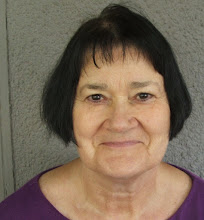
I was talking to my 20-year-old nephew Alex recently. He’d been to Disneyworld in Florida and had taken my memoir, Sober Truths: The Making of an Honest Woman, with him to read. We had an interesting conversation about it. He said that in the beginning, it was like reading about a stranger, someone’s childhood. But when I started talking about my young adult years, he could really relate. I asked him if I seemed the same person to him in the book as I am with him in person and he said yes. Somehow I was really pleased by that for I had not wanted to create a fictional persona for my memoir, but to be myself.
All of us have a story to tell. We don’t all need to publish them but our friends and families would love to read them. And writing down stories about our life experiences is a great gift to future generations, who will see what it was like to live when we did (differences) and that we all have the same things that make us happy and sad and angry (similarities).
Here are some ideas to get you started if you’re interested in writing some memoir pieces from your own life:
Find a supportive writing group and/or writing coach to help you with your process.
Make a list of 50-60 pivotal moments and experiences in your life.
Write these experiences as scenes with visual and sensory detail, dialog, and action.
Take those initial drafts and flesh them out into robust experiences for the reader. Remember readers don’t want to read about your experiences, they want to experience them with you.
Thursday, December 3, 2009


Friday, November 27, 2009
The Importance of Telling Our Stories
The Importance of Telling Our Stories
Several months ago, I finally got around to that photograph project. You know the one where you take the boxes of old family photos and put them in order neatly in albums. I had fancy plans but ended up just getting them in, kind of any which way. In the process, I came upon a photo of my mother as a teenager that was unfamiliar to me. It’s a photo of six women. I recognized my mother and her two sisters and of course my grandmother, who looked impossibly young. The other two young women I didn’t know. There was nothing on the photo itself to tell me and, at this point, my mother and my aunts and my grandmother are all deceased. I realized I will never know if these were cousins or neighbors or friends.
And I thought about how many photos most of us have of family and friends and how few written documents. In my family, there are no written documents from my father’s side. My mother left a couple of small, cryptic diaries from the early years of her marriage and I have a few letters she sent me over the years, but there’s no one left to tell any of those stories about their growing up or my grandparents’ lives in their youth and middle years or ancestors before that.
All human beings are storytellers, but in our culture, where we used to tell each other stories (around the fire or kitchen table), we’ve become consumers of other people’s stories, mostly fictional (soap operas, movies, novels) and we don’t weave our own much anymore. I think this is why there is such an interest in memoirs of all kinds.
Several months ago, I finally got around to that photograph project. You know the one where you take the boxes of old family photos and put them in order neatly in albums. I had fancy plans but ended up just getting them in, kind of any which way. In the process, I came upon a photo of my mother as a teenager that was unfamiliar to me. It’s a photo of six women. I recognized my mother and her two sisters and of course my grandmother, who looked impossibly young. The other two young women I didn’t know. There was nothing on the photo itself to tell me and, at this point, my mother and my aunts and my grandmother are all deceased. I realized I will never know if these were cousins or neighbors or friends.
And I thought about how many photos most of us have of family and friends and how few written documents. In my family, there are no written documents from my father’s side. My mother left a couple of small, cryptic diaries from the early years of her marriage and I have a few letters she sent me over the years, but there’s no one left to tell any of those stories about their growing up or my grandparents’ lives in their youth and middle years or ancestors before that.
All human beings are storytellers, but in our culture, where we used to tell each other stories (around the fire or kitchen table), we’ve become consumers of other people’s stories, mostly fictional (soap operas, movies, novels) and we don’t weave our own much anymore. I think this is why there is such an interest in memoirs of all kinds.
Subscribe to:
Posts (Atom)