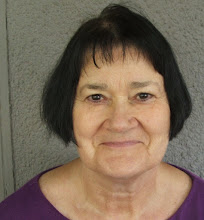
Around 2001, I began writing stories about my past for a writing group that a friend and I had put together. We used a wonderful book from Frederick and Maryann Brussat called Spiritual Rx as our springboard, taking each of their topics (silence, kindness, generosity, etc.) and telling of a memorable experience we’d had. These initial pieces of mine, about 30 of them, were three pages long. For Christmas 2005 I printed up a dozen copies of the stories with a piece of my art work on the cover and gave it to family and friends as a gift. I felt done with it.
Shortly after that, I was taking a workshop from writer Christina Baldwin, and I submitted some of the pieces as a potential project. Christina loved them but felt they were incomplete, needing dialog and detail in ways I hadn’t yet created. I had no thought yet of publishing but I decided to learn what I could as a writer by tripling the content of each of the 30 small stories. Eventually I added another dozen stories.
Successive workshops with Christina and memoirist Judith Barrington helped me see that I could create something that would be a clear expression of my journey and that might offer inspiration to others, not only those who have struggled with addiction in its many forms but also those interested in re-inventing their lives। So in 2006-2007 I began a process of rewriting, editing, polishing, and shaping the stories into a book। A major breakthrough came in mid-2007 when I saw that the underlying themes were about honesty: how I learned to be dishonest in my family and how I learned to be honest in sobriety। Knowing the theme helped me create the final version, which was published in late December 2007 as Sober Truths: The Making of an Honest Woman (available at http://www.amazon.com/Sober-Truths-Making-Honest-Woman/dp/0595468640/ref=pd_bbs_sr_1?ie=UTF8&s=books&qid=1202575820&sr=8-1.
Tuesday, February 16, 2010


Monday, February 15, 2010
From a recent prompt
Four-handed piano
Carol had heard all she wanted to hear. The music from the four pianists had moved from melodic and romantic to some new-fangled atonal piece and it grated on her nerves. Those nerves had been to begin with. A week of poor sleep—thanks, menopause!—a fight with her boss that afternoon, and an overturned latte with extra syrup all over the cloth car seat had worn her out.
She glanced around the room of friends and family who’d come to the recital. Those in the front somehow managed to look attentive but she noticed others rolling their eyes and shaking their heads off to her left and behind her a man was urging his wife to leave.
Her friend Maura caught her eye at that moment and beamed. Maura had organized the event for Pachyderms without Partners, her latest pet charity. In support of her friend, Carol had corralled four of her own friends to pony up $25 and show up in black dresses and glitzy jewelry.
Now Carol felt nervous. Did they feel as she did about the screeching noises the quartet was yanking out of the twin Steinways? And was that a serving fork being dragged across the strings of the piano on the left?
Suddenly the music stopped—all four musicians picked their fingers up off the keyboards and looked expectantly at the double doors at the room’s end. The audience too all turned to look at once, as if on cue. Then the red-headed woman on the left at the second piano began to play a lumbering tune, the doors opened, and two small elephants swayed into the room. They wore bow ties and top hats and were led by a small monkey in a tutu.
The pianists turned back to their instruments, struck up the Emperor’s Waltz, and the elephants danced. By this point, Carol had fallen off her chair.
Carol had heard all she wanted to hear. The music from the four pianists had moved from melodic and romantic to some new-fangled atonal piece and it grated on her nerves. Those nerves had been to begin with. A week of poor sleep—thanks, menopause!—a fight with her boss that afternoon, and an overturned latte with extra syrup all over the cloth car seat had worn her out.
She glanced around the room of friends and family who’d come to the recital. Those in the front somehow managed to look attentive but she noticed others rolling their eyes and shaking their heads off to her left and behind her a man was urging his wife to leave.
Her friend Maura caught her eye at that moment and beamed. Maura had organized the event for Pachyderms without Partners, her latest pet charity. In support of her friend, Carol had corralled four of her own friends to pony up $25 and show up in black dresses and glitzy jewelry.
Now Carol felt nervous. Did they feel as she did about the screeching noises the quartet was yanking out of the twin Steinways? And was that a serving fork being dragged across the strings of the piano on the left?
Suddenly the music stopped—all four musicians picked their fingers up off the keyboards and looked expectantly at the double doors at the room’s end. The audience too all turned to look at once, as if on cue. Then the red-headed woman on the left at the second piano began to play a lumbering tune, the doors opened, and two small elephants swayed into the room. They wore bow ties and top hats and were led by a small monkey in a tutu.
The pianists turned back to their instruments, struck up the Emperor’s Waltz, and the elephants danced. By this point, Carol had fallen off her chair.
Sunday, February 14, 2010
Writing every day
I'm taking a class with creativity guru Eric Maisel on creativity coaching. As part of our class, we each commit to a project of our own that will stretch our creativity. My project is to blog every day on my two blogs, The Writing Wheel and Sober Truths, and to learn more about blogging both as a creative medium and as a promotional medium for me and for my creative clients.
Writing every day is something I've been doing for a long time. I started journaling in earnest a few years into sobriety as I tried to make sense of my old life and make sense of all the changes that were happening to me. I still journal each morning, mostly in the Julia Cameron "Morning Pages" vein--three pages of what happened the day before and how I'm feeling and what's up with me. Cameron calls it a form of active meditation and I think of it that way, a kind of clearing of my mind and heart for the next day. On the rare occasions that I don't get to journal, I feel crankier, out of sorts, so it's become an important practice for me.
Then for 20 months in 2003-2004, I wrote a 10-minute story every day. Mostly I wrote in the morning but sometimes late at night, I'd remember I hadn't done it and I was keen on keeping up the momentum. I've gotten a lot of stories out of those 600 writings and the starts of both the novel I finished in November and the one I'm writing now.
Blogging is a bit different. It's an essay on a topic, or it's a personal exploration, or it's a journal entry to friends and strangers alike. It can be a private record or a public statement. I'm excited to see what happens to my writing now that I'm blogging every day.
Writing every day is something I've been doing for a long time. I started journaling in earnest a few years into sobriety as I tried to make sense of my old life and make sense of all the changes that were happening to me. I still journal each morning, mostly in the Julia Cameron "Morning Pages" vein--three pages of what happened the day before and how I'm feeling and what's up with me. Cameron calls it a form of active meditation and I think of it that way, a kind of clearing of my mind and heart for the next day. On the rare occasions that I don't get to journal, I feel crankier, out of sorts, so it's become an important practice for me.
Then for 20 months in 2003-2004, I wrote a 10-minute story every day. Mostly I wrote in the morning but sometimes late at night, I'd remember I hadn't done it and I was keen on keeping up the momentum. I've gotten a lot of stories out of those 600 writings and the starts of both the novel I finished in November and the one I'm writing now.
Blogging is a bit different. It's an essay on a topic, or it's a personal exploration, or it's a journal entry to friends and strangers alike. It can be a private record or a public statement. I'm excited to see what happens to my writing now that I'm blogging every day.
Saturday, February 13, 2010
Being a reader-focused writer
As part of my varied professional life, I teach writing improvement classes to graduate students in business and management. All of our work starts from one premise: that the reader is more important than the writer. The assumption is that written business materials, whether they be for marketing or production or design, all have one thing in common: they want to communicate information to the reader.
This may seem self-evident but in my teaching and coaching, I’ve discovered that many writers are only concerned with what they think of the piece they’re working on; they’re only concerned with whether they like it and whether they understand it, not with how it will be received. So we talk about “reader-focused writing,” from word choices to clear and varied sentence structure to thinking about punctuation as a signal of upcoming meaning).
Creative writers interested in placing or selling their work tend to have more of a focus on writing for readers. They want to be entertaining, informative, inspiring enough that an editor or agent or publisher will take their work and send it out to audiences. But they often don’t think beyond that initial reader.
Most native speakers of a language have an excellent internal grammar, allowing them to generate grammatically correct sentences one after the other. They have little need for a deep understanding of the structure of the language. That is, until they become writers and want to reach their readers.
Having a good knowledge of grammar, punctuation, and sentence structure can go a long way into turning okay writers into good ones.
Looking for a place to start? I recommend The Least You Should Know about English (in any of its various workbook versions) by Wilson and Glazier, On Writing Well by William Zinsser, and Style by Joseph M. Williams.
This may seem self-evident but in my teaching and coaching, I’ve discovered that many writers are only concerned with what they think of the piece they’re working on; they’re only concerned with whether they like it and whether they understand it, not with how it will be received. So we talk about “reader-focused writing,” from word choices to clear and varied sentence structure to thinking about punctuation as a signal of upcoming meaning).
Creative writers interested in placing or selling their work tend to have more of a focus on writing for readers. They want to be entertaining, informative, inspiring enough that an editor or agent or publisher will take their work and send it out to audiences. But they often don’t think beyond that initial reader.
Most native speakers of a language have an excellent internal grammar, allowing them to generate grammatically correct sentences one after the other. They have little need for a deep understanding of the structure of the language. That is, until they become writers and want to reach their readers.
Having a good knowledge of grammar, punctuation, and sentence structure can go a long way into turning okay writers into good ones.
Looking for a place to start? I recommend The Least You Should Know about English (in any of its various workbook versions) by Wilson and Glazier, On Writing Well by William Zinsser, and Style by Joseph M. Williams.
Friday, February 12, 2010
A poem for my father
April 2007
Light dappled my hands.
The shears held firmly, I stretched and stretched,
grasping the branch by a thin patch of leaves,
pulling it towards my heart.
A diagonal cut. Then another. And another.
The perfume rose in a single wave to greet me,
Whispering of spring,
of awkward romance, of my first cologne.
Moving towards the kitchen,
I buried my nose in the deep amethyst blooms.
The vase, striped green on the diagonal, held waiting water.
No fancy arrangement, just branch ends immersed.
I turned then to feed the orange cat,
its whiskers tickling my ankle in anticipation.
One scoop. Then another. And another.
When I turned back, my father, five years dead, stood before me.
I smiled.
The lilac scent he loved so much filled the room
and my heart stretched and stretched,
in greeting, in memory.
Light dappled my hands.
The shears held firmly, I stretched and stretched,
grasping the branch by a thin patch of leaves,
pulling it towards my heart.
A diagonal cut. Then another. And another.
The perfume rose in a single wave to greet me,
Whispering of spring,
of awkward romance, of my first cologne.
Moving towards the kitchen,
I buried my nose in the deep amethyst blooms.
The vase, striped green on the diagonal, held waiting water.
No fancy arrangement, just branch ends immersed.
I turned then to feed the orange cat,
its whiskers tickling my ankle in anticipation.
One scoop. Then another. And another.
When I turned back, my father, five years dead, stood before me.
I smiled.
The lilac scent he loved so much filled the room
and my heart stretched and stretched,
in greeting, in memory.
Thursday, February 11, 2010
Writing Retreats and Writing Fridays
Writing Retreats and Writing Fridays
In 2002, I went to my first writing workshop/retreat on Whidbey Island, north of Seattle. I’d long been a fan of Christina Baldwin’s Life’s Companion: Journal Writing for the Spiritual Quest, a book that had been influential in getting me journaling after I go sober. When I learned that Baldwin lived five hours from me and offered retreats, I signed up!
Lots of wonderful things happened to me at that first retreat. I discovered the beauty of Aldermarsh, the lovely retreat center where we stayed, and I got started as a serious writer. But equally important was my learning about writing in community. Each day we worked in silence in our own spaces, all the while “holding the container” for each other. Each day we met for lunch and dinner and laughed and talked. Each day we met in sacred circle and read our work or talked about our joys and frustrations. It was magical.
I went home determined to write every day, to become a writer. But it didn’t happen even though I’m a person with a lot of discipline and determination. It was just too lonely. And that’s a fundamental truth about writing. It’s a lonely business. So I signed up for another workshop with Christina and wrote a lot.
The same magic of community happened and I realized I needed to create some community at home for myself. So I did two things: I figured out some other retreats I could arrange (like borrowing my friend Diane’s beach cabin for five days or house sitting for my sister and inviting a writer friend along).
And I started doing Writing Fridays.
On certain Fridays, I invite 4-5 writers to join me from 10 to 4. We have a brief opening circle, where we state our intention for the day. Then we work in silence on our writing until 12:30, when we meet for our brown-bag lunch. Then we start writing again about 1:15 and write until 3. From 3 to 4, we talk about how it went, encourage those who need it, and read what we’ve been working on. It’s a wonderful peaceful day and always productive.
Some of the same writers come regularly and we’ve even held our own retreats at Aldermarsh Retreat Center. So if you're struggling to get writing done alone, try finding or creating some community.
In 2002, I went to my first writing workshop/retreat on Whidbey Island, north of Seattle. I’d long been a fan of Christina Baldwin’s Life’s Companion: Journal Writing for the Spiritual Quest, a book that had been influential in getting me journaling after I go sober. When I learned that Baldwin lived five hours from me and offered retreats, I signed up!
Lots of wonderful things happened to me at that first retreat. I discovered the beauty of Aldermarsh, the lovely retreat center where we stayed, and I got started as a serious writer. But equally important was my learning about writing in community. Each day we worked in silence in our own spaces, all the while “holding the container” for each other. Each day we met for lunch and dinner and laughed and talked. Each day we met in sacred circle and read our work or talked about our joys and frustrations. It was magical.
I went home determined to write every day, to become a writer. But it didn’t happen even though I’m a person with a lot of discipline and determination. It was just too lonely. And that’s a fundamental truth about writing. It’s a lonely business. So I signed up for another workshop with Christina and wrote a lot.
The same magic of community happened and I realized I needed to create some community at home for myself. So I did two things: I figured out some other retreats I could arrange (like borrowing my friend Diane’s beach cabin for five days or house sitting for my sister and inviting a writer friend along).
And I started doing Writing Fridays.
On certain Fridays, I invite 4-5 writers to join me from 10 to 4. We have a brief opening circle, where we state our intention for the day. Then we work in silence on our writing until 12:30, when we meet for our brown-bag lunch. Then we start writing again about 1:15 and write until 3. From 3 to 4, we talk about how it went, encourage those who need it, and read what we’ve been working on. It’s a wonderful peaceful day and always productive.
Some of the same writers come regularly and we’ve even held our own retreats at Aldermarsh Retreat Center. So if you're struggling to get writing done alone, try finding or creating some community.
Wednesday, February 10, 2010
Ways to get started writing
As a writing coach and teacher, I’m always looking for good prompts and writing ideas that will serve me and my clients. I start my writing support groups with a 10-minute warm-up that’s often based on something that’s happened in my life or something I’ve overheard. The recent workshop I took with Kim Stafford afforded me many ideas. Here is some of what I heard and thought of during those two days. Write about:
Something you don’t know
A foray into the unknown
Spirits most restless and crude
Do what you’re doing
Clicking my ruby slippers
I don’t fish.
Pay attention with all you have.
Sleep sets in
Acceptance is as necessary as oxygen
And so it was
How true you are
Deep ocean loneliness
Occasionally, a storm
I want to be yours again
I owe you three poems
The next paradigm
The library of consolations
Too proud and defended
He strayed into coherence
A place in yourself that is tight, dark, forgotten
Kim also shared some of the advice that his father, poet William Stafford, shared with his students and with his son. I liked some of these a lot. They bear keeping in mind.
To get started, accept anything that occurs to you.
Write when it’s least possible to write
Do something every day to advance the human project.
Writing stimulates the fountain; it does not deplete the reservoir.
And perhaps most importantly, don’t compare yourself to your expectations.
Subscribe to:
Posts (Atom)