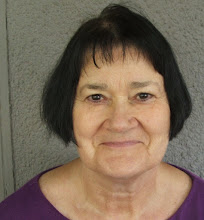
As part of my varied professional life, I teach writing improvement classes to graduate students in business and management. All of our work starts from one premise: that the reader is more important than the writer. The assumption is that written business materials, whether they be for marketing or production or design, all have one thing in common: they want to communicate information to the reader.
This may seem self-evident but in my teaching and coaching, I’ve discovered that many writers are only concerned with what they think of the piece they’re working on; they’re only concerned with whether they like it and whether they understand it, not with how it will be received. So we talk about “reader-focused writing,” from word choices to clear and varied sentence structure to thinking about punctuation as a signal of upcoming meaning).
Creative writers interested in placing or selling their work tend to have more of a focus on writing for readers. They want to be entertaining, informative, inspiring enough that an editor or agent or publisher will take their work and send it out to audiences. But they often don’t think beyond that initial reader.
Most native speakers of a language have an excellent internal grammar, allowing them to generate grammatically correct sentences one after the other. They have little need for a deep understanding of the structure of the language. That is, until they become writers and want to reach their readers.
Having a good knowledge of grammar, punctuation, and sentence structure can go a long way into turning okay writers into good ones.
Looking for a place to start? I recommend The Least You Should Know about English (in any of its various workbook versions) by Wilson and Glazier, On Writing Well by William Zinsser, and Style by Joseph M. Williams.
Saturday, February 13, 2010


Friday, February 12, 2010
A poem for my father
April 2007
Light dappled my hands.
The shears held firmly, I stretched and stretched,
grasping the branch by a thin patch of leaves,
pulling it towards my heart.
A diagonal cut. Then another. And another.
The perfume rose in a single wave to greet me,
Whispering of spring,
of awkward romance, of my first cologne.
Moving towards the kitchen,
I buried my nose in the deep amethyst blooms.
The vase, striped green on the diagonal, held waiting water.
No fancy arrangement, just branch ends immersed.
I turned then to feed the orange cat,
its whiskers tickling my ankle in anticipation.
One scoop. Then another. And another.
When I turned back, my father, five years dead, stood before me.
I smiled.
The lilac scent he loved so much filled the room
and my heart stretched and stretched,
in greeting, in memory.
Light dappled my hands.
The shears held firmly, I stretched and stretched,
grasping the branch by a thin patch of leaves,
pulling it towards my heart.
A diagonal cut. Then another. And another.
The perfume rose in a single wave to greet me,
Whispering of spring,
of awkward romance, of my first cologne.
Moving towards the kitchen,
I buried my nose in the deep amethyst blooms.
The vase, striped green on the diagonal, held waiting water.
No fancy arrangement, just branch ends immersed.
I turned then to feed the orange cat,
its whiskers tickling my ankle in anticipation.
One scoop. Then another. And another.
When I turned back, my father, five years dead, stood before me.
I smiled.
The lilac scent he loved so much filled the room
and my heart stretched and stretched,
in greeting, in memory.
Thursday, February 11, 2010
Writing Retreats and Writing Fridays
Writing Retreats and Writing Fridays
In 2002, I went to my first writing workshop/retreat on Whidbey Island, north of Seattle. I’d long been a fan of Christina Baldwin’s Life’s Companion: Journal Writing for the Spiritual Quest, a book that had been influential in getting me journaling after I go sober. When I learned that Baldwin lived five hours from me and offered retreats, I signed up!
Lots of wonderful things happened to me at that first retreat. I discovered the beauty of Aldermarsh, the lovely retreat center where we stayed, and I got started as a serious writer. But equally important was my learning about writing in community. Each day we worked in silence in our own spaces, all the while “holding the container” for each other. Each day we met for lunch and dinner and laughed and talked. Each day we met in sacred circle and read our work or talked about our joys and frustrations. It was magical.
I went home determined to write every day, to become a writer. But it didn’t happen even though I’m a person with a lot of discipline and determination. It was just too lonely. And that’s a fundamental truth about writing. It’s a lonely business. So I signed up for another workshop with Christina and wrote a lot.
The same magic of community happened and I realized I needed to create some community at home for myself. So I did two things: I figured out some other retreats I could arrange (like borrowing my friend Diane’s beach cabin for five days or house sitting for my sister and inviting a writer friend along).
And I started doing Writing Fridays.
On certain Fridays, I invite 4-5 writers to join me from 10 to 4. We have a brief opening circle, where we state our intention for the day. Then we work in silence on our writing until 12:30, when we meet for our brown-bag lunch. Then we start writing again about 1:15 and write until 3. From 3 to 4, we talk about how it went, encourage those who need it, and read what we’ve been working on. It’s a wonderful peaceful day and always productive.
Some of the same writers come regularly and we’ve even held our own retreats at Aldermarsh Retreat Center. So if you're struggling to get writing done alone, try finding or creating some community.
In 2002, I went to my first writing workshop/retreat on Whidbey Island, north of Seattle. I’d long been a fan of Christina Baldwin’s Life’s Companion: Journal Writing for the Spiritual Quest, a book that had been influential in getting me journaling after I go sober. When I learned that Baldwin lived five hours from me and offered retreats, I signed up!
Lots of wonderful things happened to me at that first retreat. I discovered the beauty of Aldermarsh, the lovely retreat center where we stayed, and I got started as a serious writer. But equally important was my learning about writing in community. Each day we worked in silence in our own spaces, all the while “holding the container” for each other. Each day we met for lunch and dinner and laughed and talked. Each day we met in sacred circle and read our work or talked about our joys and frustrations. It was magical.
I went home determined to write every day, to become a writer. But it didn’t happen even though I’m a person with a lot of discipline and determination. It was just too lonely. And that’s a fundamental truth about writing. It’s a lonely business. So I signed up for another workshop with Christina and wrote a lot.
The same magic of community happened and I realized I needed to create some community at home for myself. So I did two things: I figured out some other retreats I could arrange (like borrowing my friend Diane’s beach cabin for five days or house sitting for my sister and inviting a writer friend along).
And I started doing Writing Fridays.
On certain Fridays, I invite 4-5 writers to join me from 10 to 4. We have a brief opening circle, where we state our intention for the day. Then we work in silence on our writing until 12:30, when we meet for our brown-bag lunch. Then we start writing again about 1:15 and write until 3. From 3 to 4, we talk about how it went, encourage those who need it, and read what we’ve been working on. It’s a wonderful peaceful day and always productive.
Some of the same writers come regularly and we’ve even held our own retreats at Aldermarsh Retreat Center. So if you're struggling to get writing done alone, try finding or creating some community.
Wednesday, February 10, 2010
Ways to get started writing
As a writing coach and teacher, I’m always looking for good prompts and writing ideas that will serve me and my clients. I start my writing support groups with a 10-minute warm-up that’s often based on something that’s happened in my life or something I’ve overheard. The recent workshop I took with Kim Stafford afforded me many ideas. Here is some of what I heard and thought of during those two days. Write about:
Something you don’t know
A foray into the unknown
Spirits most restless and crude
Do what you’re doing
Clicking my ruby slippers
I don’t fish.
Pay attention with all you have.
Sleep sets in
Acceptance is as necessary as oxygen
And so it was
How true you are
Deep ocean loneliness
Occasionally, a storm
I want to be yours again
I owe you three poems
The next paradigm
The library of consolations
Too proud and defended
He strayed into coherence
A place in yourself that is tight, dark, forgotten
Kim also shared some of the advice that his father, poet William Stafford, shared with his students and with his son. I liked some of these a lot. They bear keeping in mind.
To get started, accept anything that occurs to you.
Write when it’s least possible to write
Do something every day to advance the human project.
Writing stimulates the fountain; it does not deplete the reservoir.
And perhaps most importantly, don’t compare yourself to your expectations.
Friday, February 5, 2010
Lists and Writing
I’m an inveterate list maker, even more so as I get older. I keep a master list of things to do, then daily lists of what I think I can accomplish. It helps me stay organized and I’m addicted, in my way, to accomplishment, to checking things off the list. So when during his workshop Kim Stafford asked us to consider lists as poetry, I was eager to try. Our first assignment (and my response) was this one:
Things I Learned Last Week
Tungsten is used for the nose cone on rockets.
Chi can be spelled qi.
Lamb shanks in red curry are delicious.
There should be a Hall of Fame for stupendously ineffective meetings.
Faucets screw off left, not right.
A 2.5-quart crock pot is not big enough for my life.
Maroon and grey brown are not at their best together.
You can’t make other people change, even when they say they want to.
What strikes me as particularly lovely about a list like this is that it is also a record of the stories of my week. The tungsten fact comes from a long work project in which I wrote up summaries about mining in Canada for a client who helps Chinese investors. I’ve also recently learned the card game Quiddler, and the writers who write together on Fridays (and play Quiddler at lunch) are all keen to find two-letter words.
I ate the lamb shanks at a Thai restaurant in NW Portland with my sister, and we had a long conversation about what to do when you’re through learning at your current job. I attended a stupefying meeting with a client who gave 8 minutes of useful information in 4 hours of sitting together.
I wrecked my kitchen faucet by tightening it instead of loosening it. I felt stupid but I also got to see Don, the handyman for our complex, an invariably cheerful man who always takes time to pet my cats. And last winter when I put the new wonderful grey-brown rug in my bedroom, which looks sensational with my chocolate brown-and-gold vintage wallpaper, my much loved maroon and lime green velvet comforter looked awful. So I gave it to my good friend Isabelle and it just works great in her bedroom.
Of course, each line in the poem could become its own poem as well as its own story, each fact of our lives another prompt.
Things I Learned Last Week
Tungsten is used for the nose cone on rockets.
Chi can be spelled qi.
Lamb shanks in red curry are delicious.
There should be a Hall of Fame for stupendously ineffective meetings.
Faucets screw off left, not right.
A 2.5-quart crock pot is not big enough for my life.
Maroon and grey brown are not at their best together.
You can’t make other people change, even when they say they want to.
What strikes me as particularly lovely about a list like this is that it is also a record of the stories of my week. The tungsten fact comes from a long work project in which I wrote up summaries about mining in Canada for a client who helps Chinese investors. I’ve also recently learned the card game Quiddler, and the writers who write together on Fridays (and play Quiddler at lunch) are all keen to find two-letter words.
I ate the lamb shanks at a Thai restaurant in NW Portland with my sister, and we had a long conversation about what to do when you’re through learning at your current job. I attended a stupefying meeting with a client who gave 8 minutes of useful information in 4 hours of sitting together.
I wrecked my kitchen faucet by tightening it instead of loosening it. I felt stupid but I also got to see Don, the handyman for our complex, an invariably cheerful man who always takes time to pet my cats. And last winter when I put the new wonderful grey-brown rug in my bedroom, which looks sensational with my chocolate brown-and-gold vintage wallpaper, my much loved maroon and lime green velvet comforter looked awful. So I gave it to my good friend Isabelle and it just works great in her bedroom.
Of course, each line in the poem could become its own poem as well as its own story, each fact of our lives another prompt.
Friday, January 29, 2010
A Poetic Experience
Two weeks ago, I took a lovely two-day workshop with Kim Stafford, a poet and teacher at Lewis & Clark College. The course was offered for credit and was full of graduate students in counseling and education, not the usual suspects at a writing workshop. Their thoughtful responses to Kim’s prompts and suggestions turned my own writing and reflection in a whole different direction.
I write poetry only occasionally—as a gift for my friend Amy, say, when she turned 50 or as a thank-you to my friend Diane for the use of her beach house. But there in the presence of Kim’s poems, and those of his father, William Stafford, I found myself inspired to think about emotional and spiritual reality in more lyrical terms than the kinds of journal writing I do.
My memoir (Sober Truths: The Making of an Honest Woman) was my first real foray into turning my past into something creatively imagined and executed. Working with Kim, I found odd bits of memory coming to the fore, asking to be played with. And so I did. Here are a couple of my efforts:
The Tenth Moon
On a windiest night, Charles and I stood in the middle of Pearl Street. We had eaten. We had not yet explored each other’s skin.
The indigo velvet of early October cradled us. Rushing clouds veiled the moon, then parted for the passage of six Canadian Geese.
We stood arms around each other, our nervousness set aside in the hallowed clamor.
The moonlight followed them, then followed us as we migrated up the dusty stairs to the brown corduroy bedspread.
We did not take flight, Charles and I. Never seen again. But tonight the voices call South, and South again, and I do.
Sorrow revisited
Now I remember the fat man in his flowered yard, the cane he leaned on, the finger he beckoned with. His eyes were lost in the flesh of his face, and they never looked right at me. The candy he offered me stuck to the damp of his hand.
And now I remember his wet lips on my cheek, the claw of his hand on my upper arm, wrenching free, heart pounding, running home . My mother’s fear turned to fury at me, when I believed I’d escaped.
I remember too, years later, the glow of the Christmas lights, the toddler’s tuneless crooning, the room awash in laughter and white elephants.
Listen up, stars – My mother, old now, eyes distant, voice matter of fact. Her father’s typesetter pushing her up against the wall, his beard rough on her chin, the candy to buy silence. I hold her hand and say nothing.
I write poetry only occasionally—as a gift for my friend Amy, say, when she turned 50 or as a thank-you to my friend Diane for the use of her beach house. But there in the presence of Kim’s poems, and those of his father, William Stafford, I found myself inspired to think about emotional and spiritual reality in more lyrical terms than the kinds of journal writing I do.
My memoir (Sober Truths: The Making of an Honest Woman) was my first real foray into turning my past into something creatively imagined and executed. Working with Kim, I found odd bits of memory coming to the fore, asking to be played with. And so I did. Here are a couple of my efforts:
The Tenth Moon
On a windiest night, Charles and I stood in the middle of Pearl Street. We had eaten. We had not yet explored each other’s skin.
The indigo velvet of early October cradled us. Rushing clouds veiled the moon, then parted for the passage of six Canadian Geese.
We stood arms around each other, our nervousness set aside in the hallowed clamor.
The moonlight followed them, then followed us as we migrated up the dusty stairs to the brown corduroy bedspread.
We did not take flight, Charles and I. Never seen again. But tonight the voices call South, and South again, and I do.
Sorrow revisited
Now I remember the fat man in his flowered yard, the cane he leaned on, the finger he beckoned with. His eyes were lost in the flesh of his face, and they never looked right at me. The candy he offered me stuck to the damp of his hand.
And now I remember his wet lips on my cheek, the claw of his hand on my upper arm, wrenching free, heart pounding, running home . My mother’s fear turned to fury at me, when I believed I’d escaped.
I remember too, years later, the glow of the Christmas lights, the toddler’s tuneless crooning, the room awash in laughter and white elephants.
Listen up, stars – My mother, old now, eyes distant, voice matter of fact. Her father’s typesetter pushing her up against the wall, his beard rough on her chin, the candy to buy silence. I hold her hand and say nothing.
Saturday, January 23, 2010
Working with prompts to begin (or enhance) your fiction
When I was getting started as a writer, I came upon The Writer’s Book of Day by Judy Reeves. Besides being full of encouraging and helpful ideas, Reeves includes hundreds of prompt ideas, words and phrases to spark us to write. I decided to take on writing prompts as a daily practice and for the next 20 months, I wrote nearly every day. Even though a lot of the writing was marginal and some of it was downright awful, it made a huge difference in my writing: it loosened me up and helped me be more creative. I recommend it. Here are some ideas for using prompts.
1. Develop a daily practice. Set aside a brief writing time every day. Make it small (10 minutes was ideal for me) so that even if you forget until late in the day, you can still make time for it.
2. Use a timer. Write for your allotted minutes and stop, even mid-sentence, when the timer goes off. You can always continue with the story at another time.
3. Use prompts provided by a book, like the one by Judy Reeves, or a dictionary or phrases you hear in passing, or create your own. After I used up all of Reeves many ideas, I write a month’s worth of prompts on the first of each month. I did an alphabetical list of words that intrigued me. I did a list of objects in my apartment. I did phrases from poems by Mary Oliver. Anything will serve.
4. In the first sentence of each writing, use the prompt and the name of a fictional character. For example, using the prompt red tea cup, I might write this sentence: “Evelyn sat on the terrace, the red tea cup in her lap.” Then write a scene or brief story. Some months I used the same name for every prompt, beginning to develop a relationship with that character.
5. I wrote the prompts by hand in Clairefontaine notebooks (I love that paper!). I found it easier to get fictional somehow when I wasn’t at the computer, where I work all day as an editor. However, you do it, keep the writings. You never know what might come of it.
1. Develop a daily practice. Set aside a brief writing time every day. Make it small (10 minutes was ideal for me) so that even if you forget until late in the day, you can still make time for it.
2. Use a timer. Write for your allotted minutes and stop, even mid-sentence, when the timer goes off. You can always continue with the story at another time.
3. Use prompts provided by a book, like the one by Judy Reeves, or a dictionary or phrases you hear in passing, or create your own. After I used up all of Reeves many ideas, I write a month’s worth of prompts on the first of each month. I did an alphabetical list of words that intrigued me. I did a list of objects in my apartment. I did phrases from poems by Mary Oliver. Anything will serve.
4. In the first sentence of each writing, use the prompt and the name of a fictional character. For example, using the prompt red tea cup, I might write this sentence: “Evelyn sat on the terrace, the red tea cup in her lap.” Then write a scene or brief story. Some months I used the same name for every prompt, beginning to develop a relationship with that character.
5. I wrote the prompts by hand in Clairefontaine notebooks (I love that paper!). I found it easier to get fictional somehow when I wasn’t at the computer, where I work all day as an editor. However, you do it, keep the writings. You never know what might come of it.
Subscribe to:
Posts (Atom)